HSBC Vault
Creative Tech, Installation
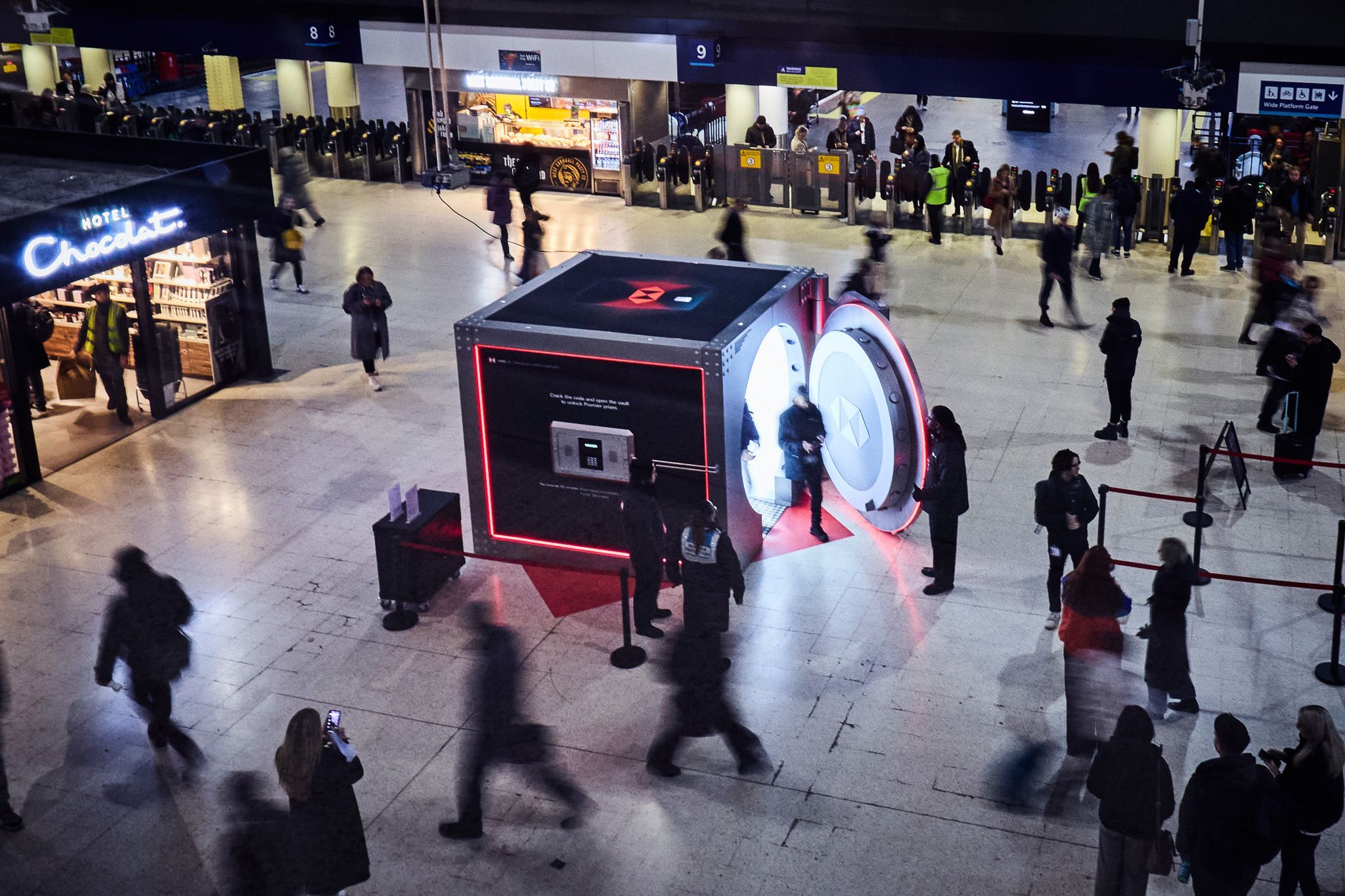
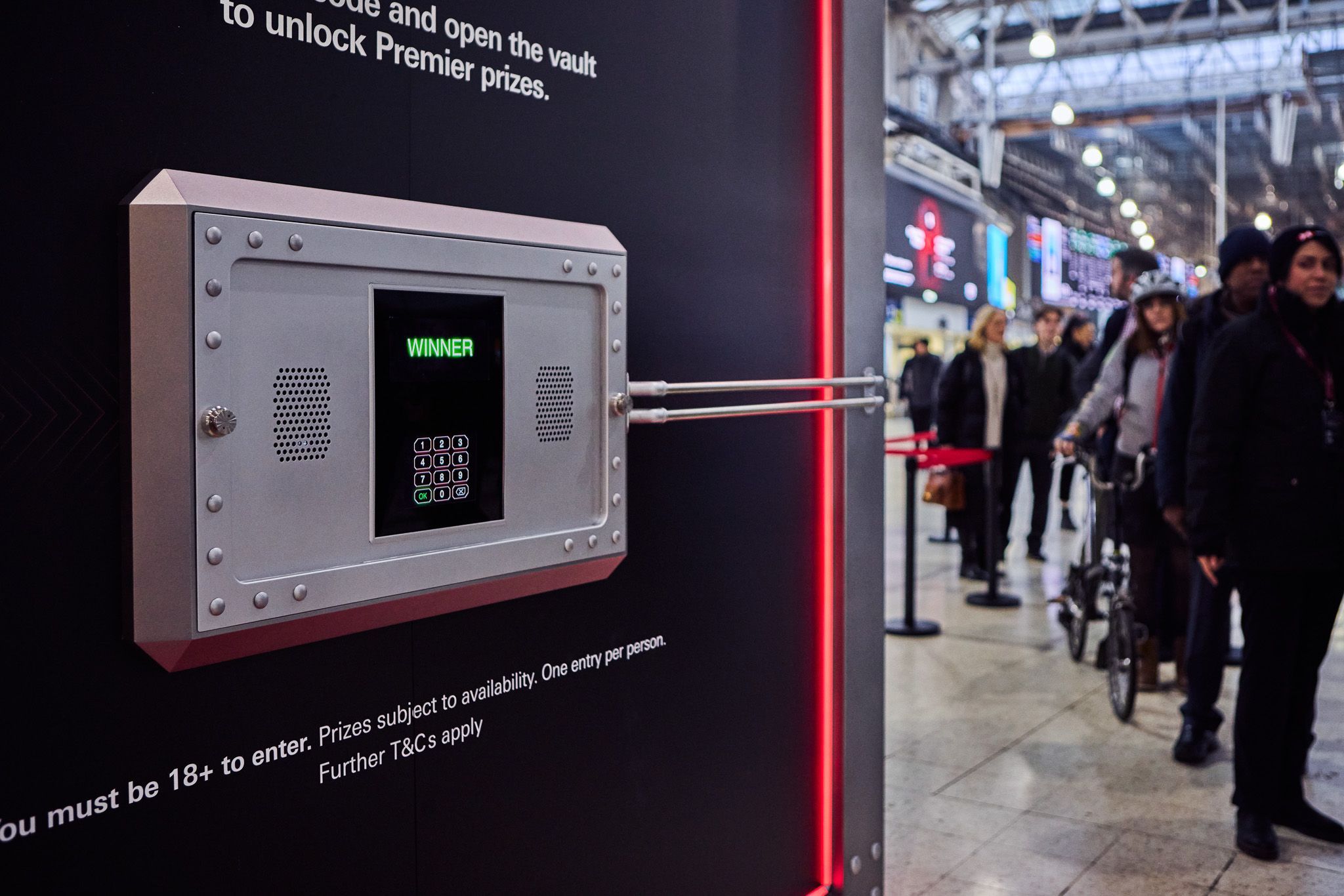
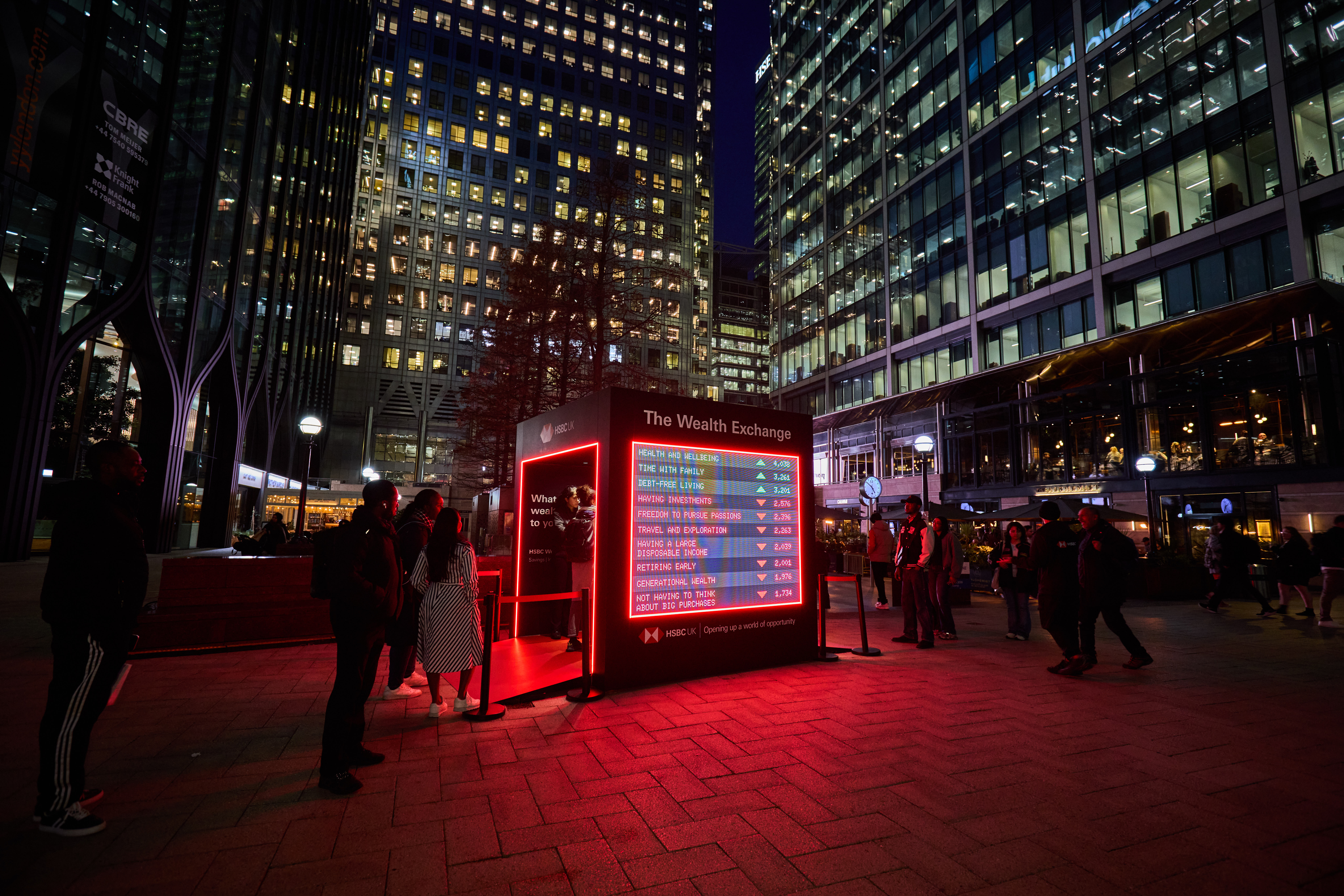
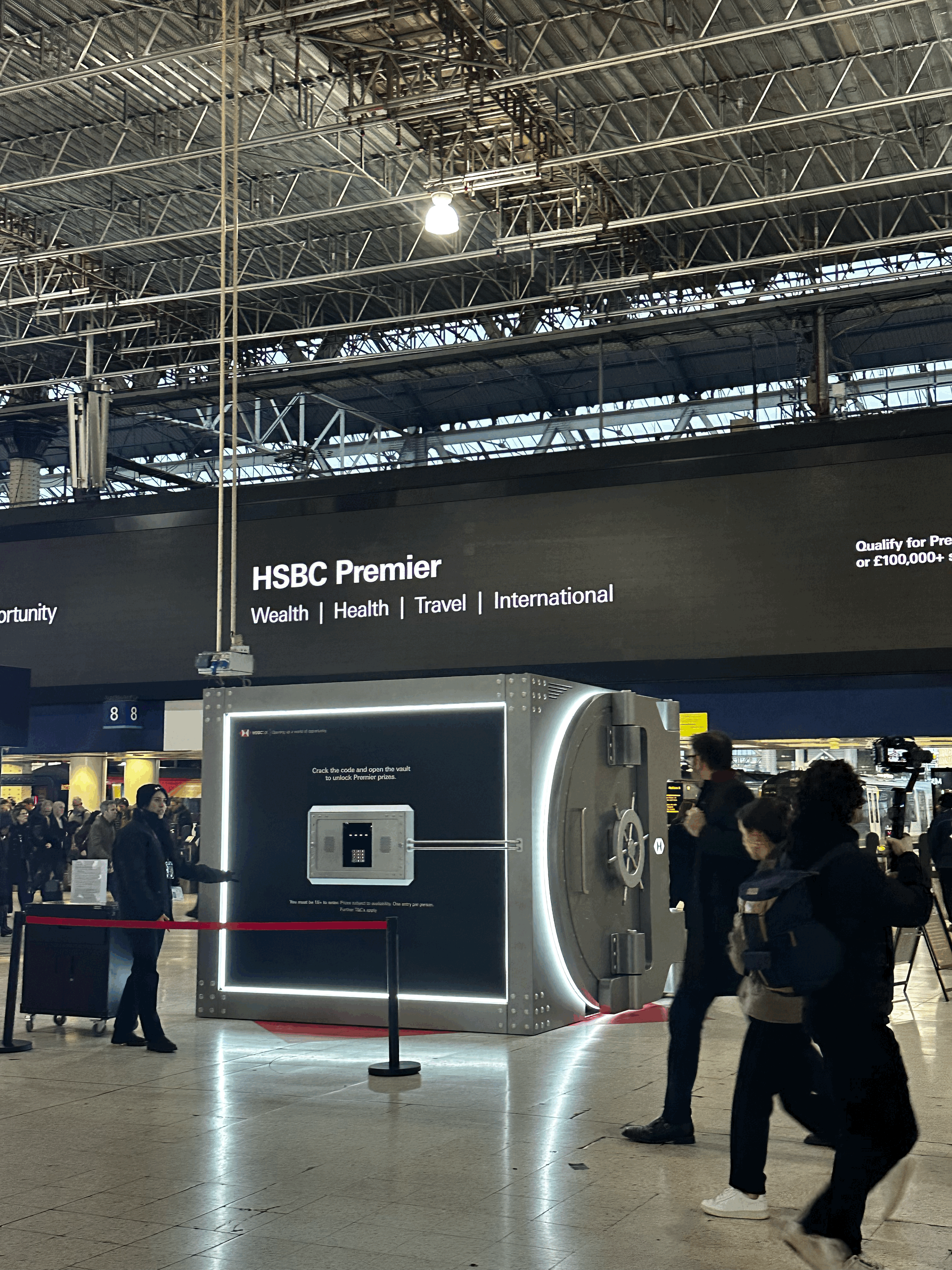
I was briefed by VML & HSBC to design and build an interactive experience for their campaign takeover at London’s Waterloo Station. The result was the Vault, a physical pop up powered by a browser-based installation that turned a passing moment into a playful challenge. I co-led the entire creative tech build, from logic to interface, crafting an experience that pulled commuters out of autopilot and into something unexpected.
Client
HSBC, VML
Responsibility
Programming, Design
Project Category
Creative Technology
Year
Feb 11, 2025
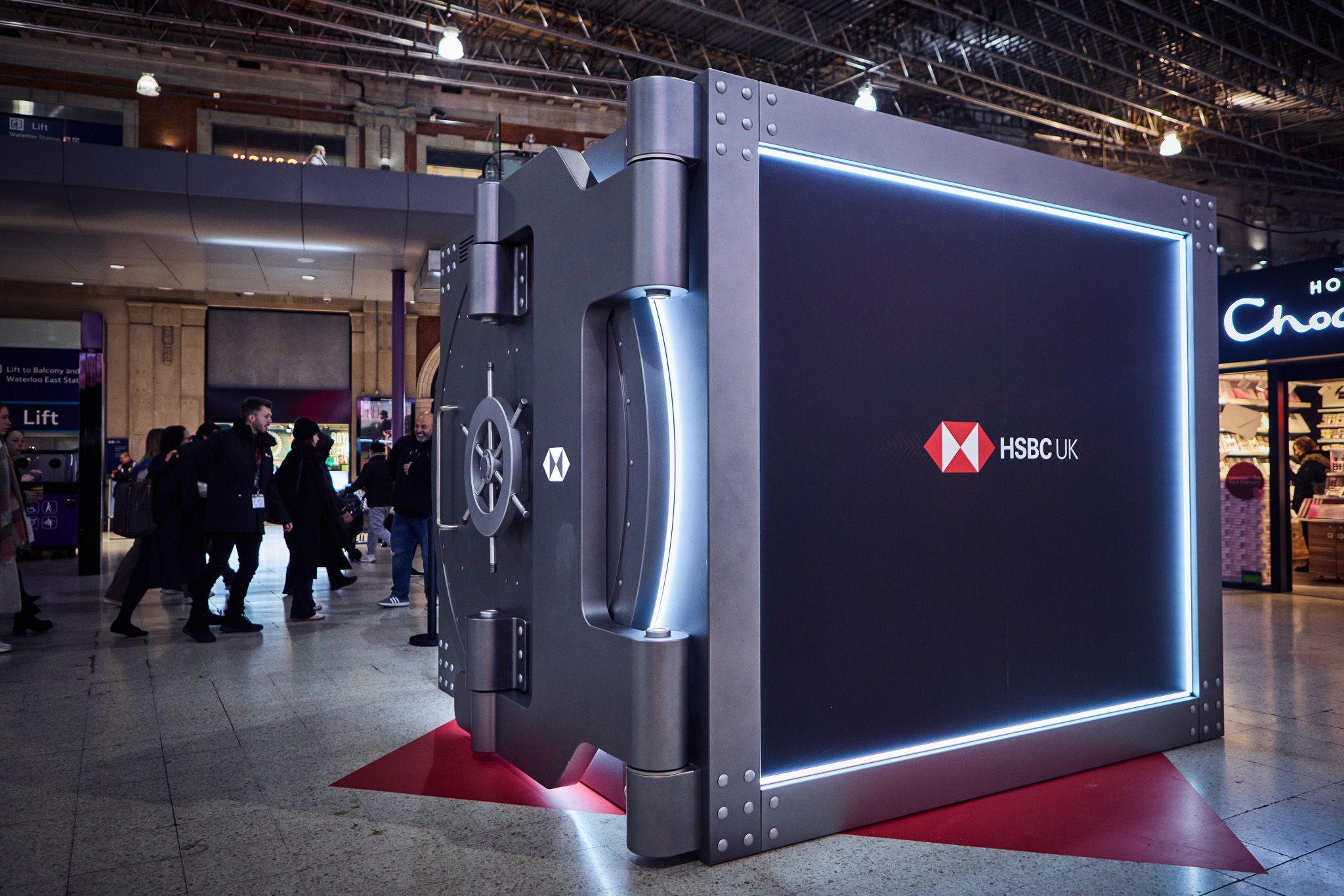
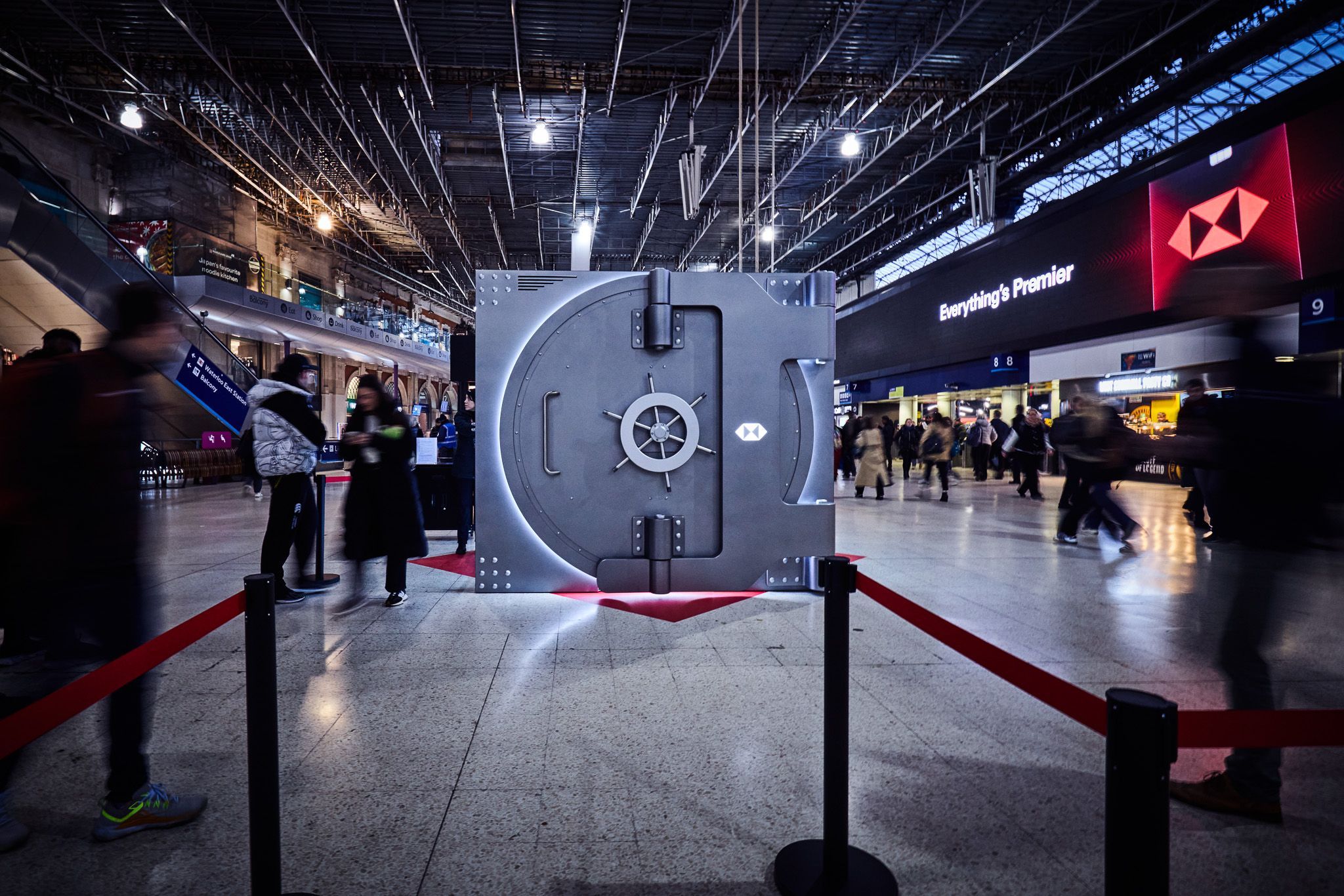
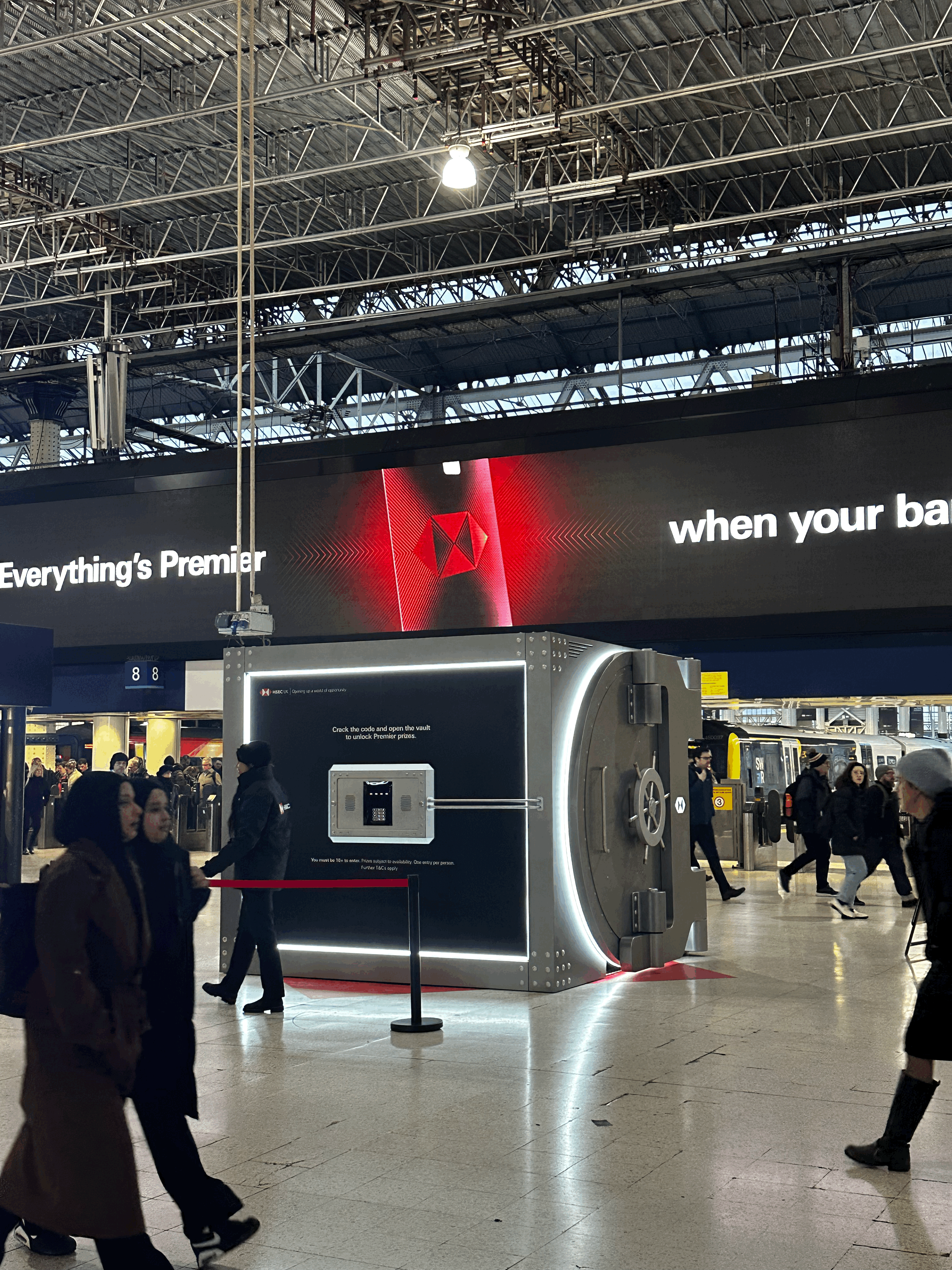
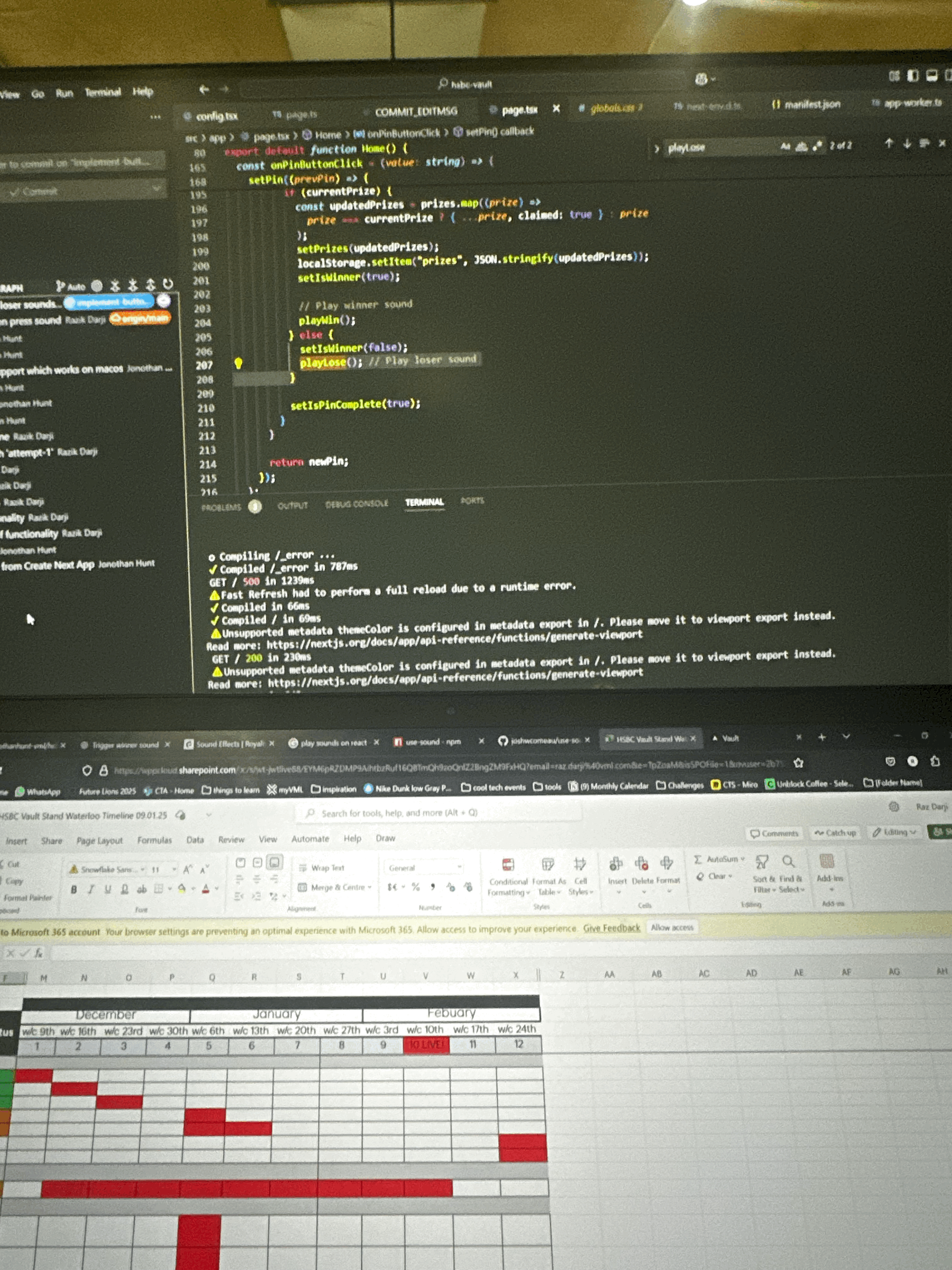
HSBC wanted to make noise at Waterloo Station to support their latest campaign, but the challenge was more than just visibility. In one of the UK’s busiest transit hubs, attention is currency, and fleeting. With commuters moving fast and competition from dozens of brands, the real problem was how to make people stop, engage, and care. They didn’t just need a screen. They needed an experience that could interrupt routine, invite participation, and reward curiosity, all in seconds.
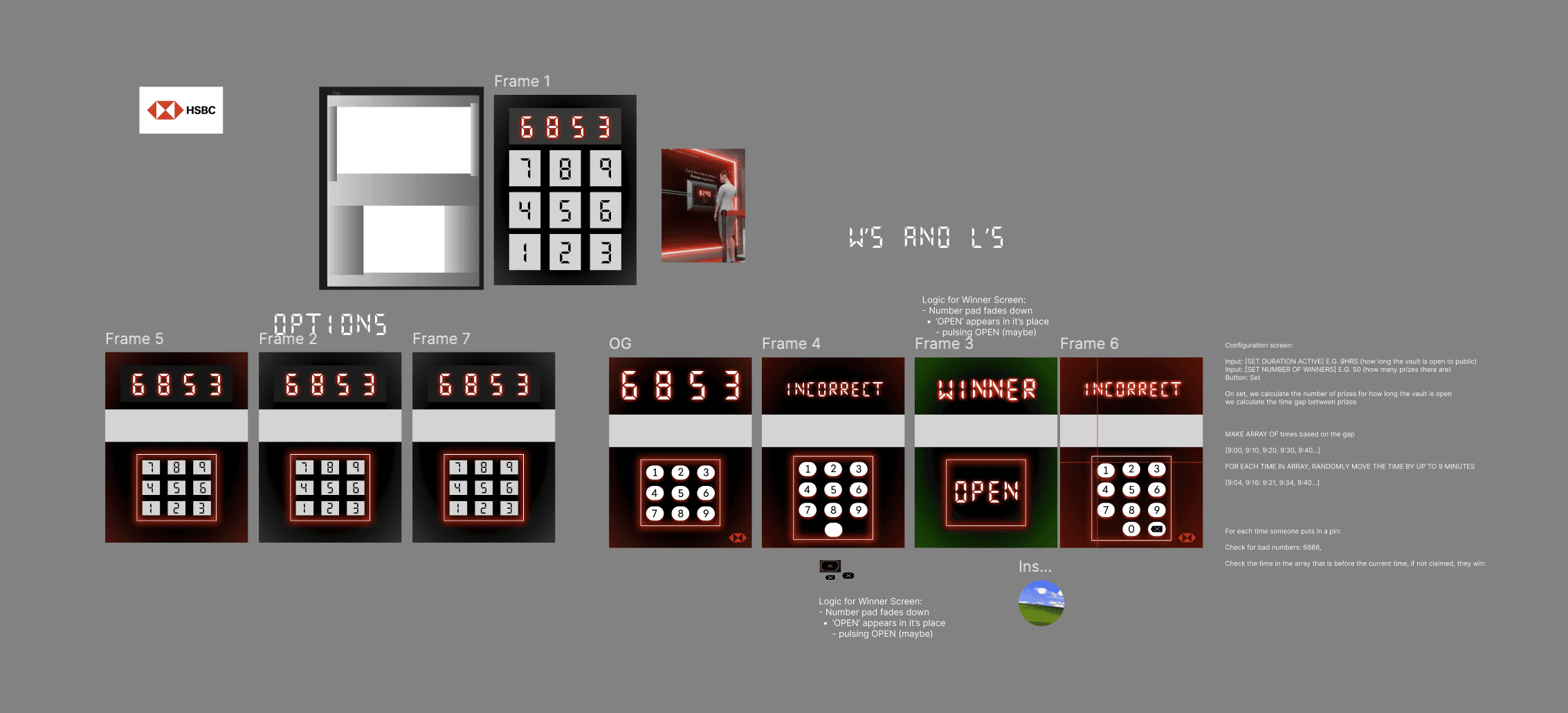
I led the end-to-end creative tech development, starting with wireframes and UX mapping in Figma before moving into a React and Next.js build. I engineered the winning logic system, programmed frontend interactions, and optimised everything for deployment across event hardware. I used Whirlwind for animation and designed fallback states for edge-case user behavior. I also collaborated with event producers to ensure seamless integration into the vault hardware and physical space. Every element was stress-tested for speed, interaction time, and repeatability, because in Waterloo Station, every second counts.
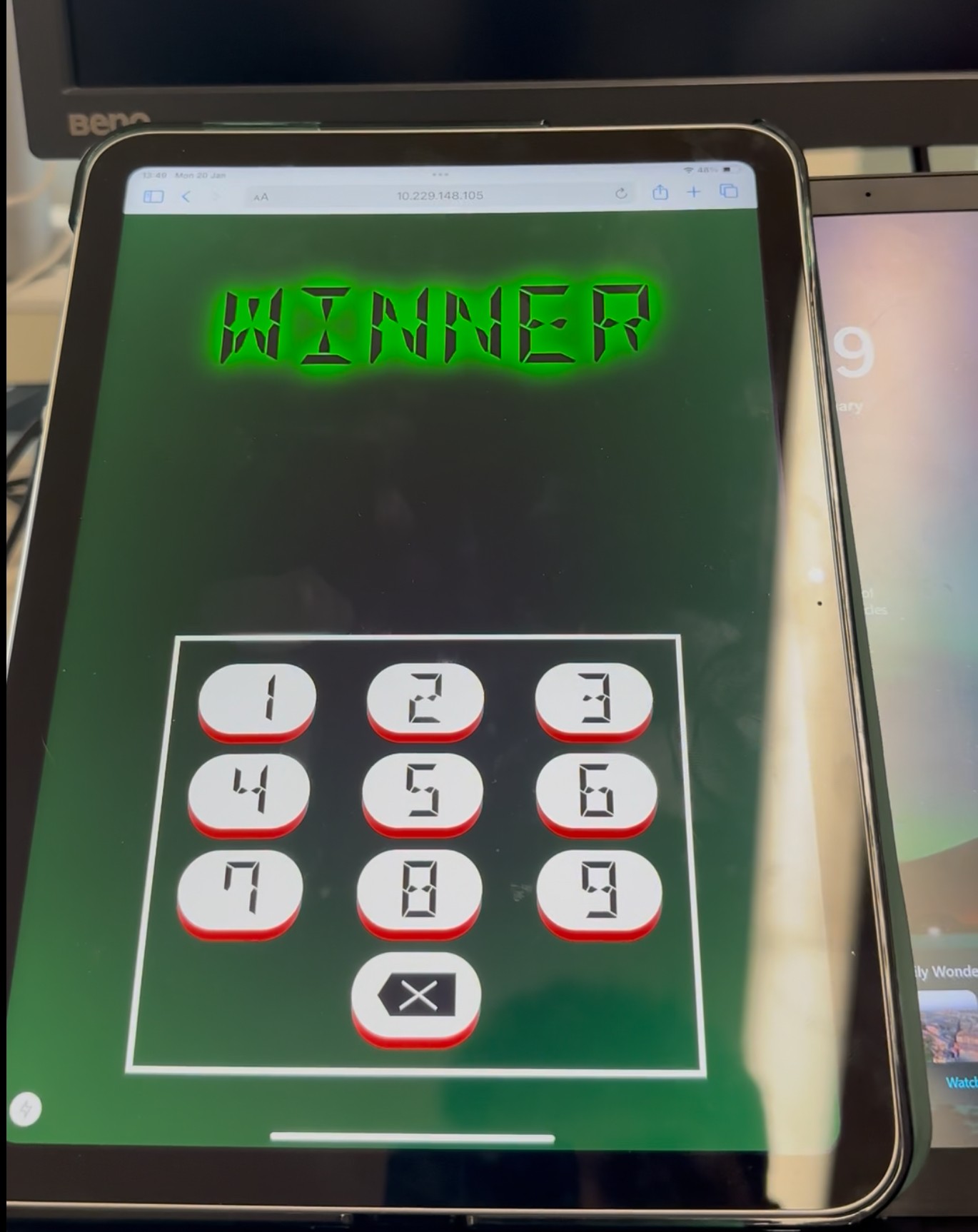
The solution was a real-time interactive vault game built entirely in React and Next.js, designed to live seamlessly within the installation and draw in high-volume foot traffic. By combining a simple pin pad tap-to-play mechanic with a custom win-lose logic system, I transformed a passive screen into an active, rewarding experience. It offered instant gratification, invited repeat engagement, and turned a static space into a live moment of brand connection.